
Toddler Sleep After Nursery: 5 Things to Do Instead of Panicking at 2am
If your toddler’s sleep fell apart after starting nursery, you’re not alone.
For parents of 18-month to 3-year-olds, nursery can feel like the moment sleep suddenly becomes fragile with more night waking, bedtime battles, early mornings and big emotions at night.
This is one of the most common worries I hear from parents, often wrapped up in a 2am thought like:
“Is nursery ruining their sleep?”
“Have we gone backwards?”
“Do we need to pull them out?”
Before you change everything, here are five things that genuinely help toddler sleep after nursery without pressure, guilt or drastic decisions.
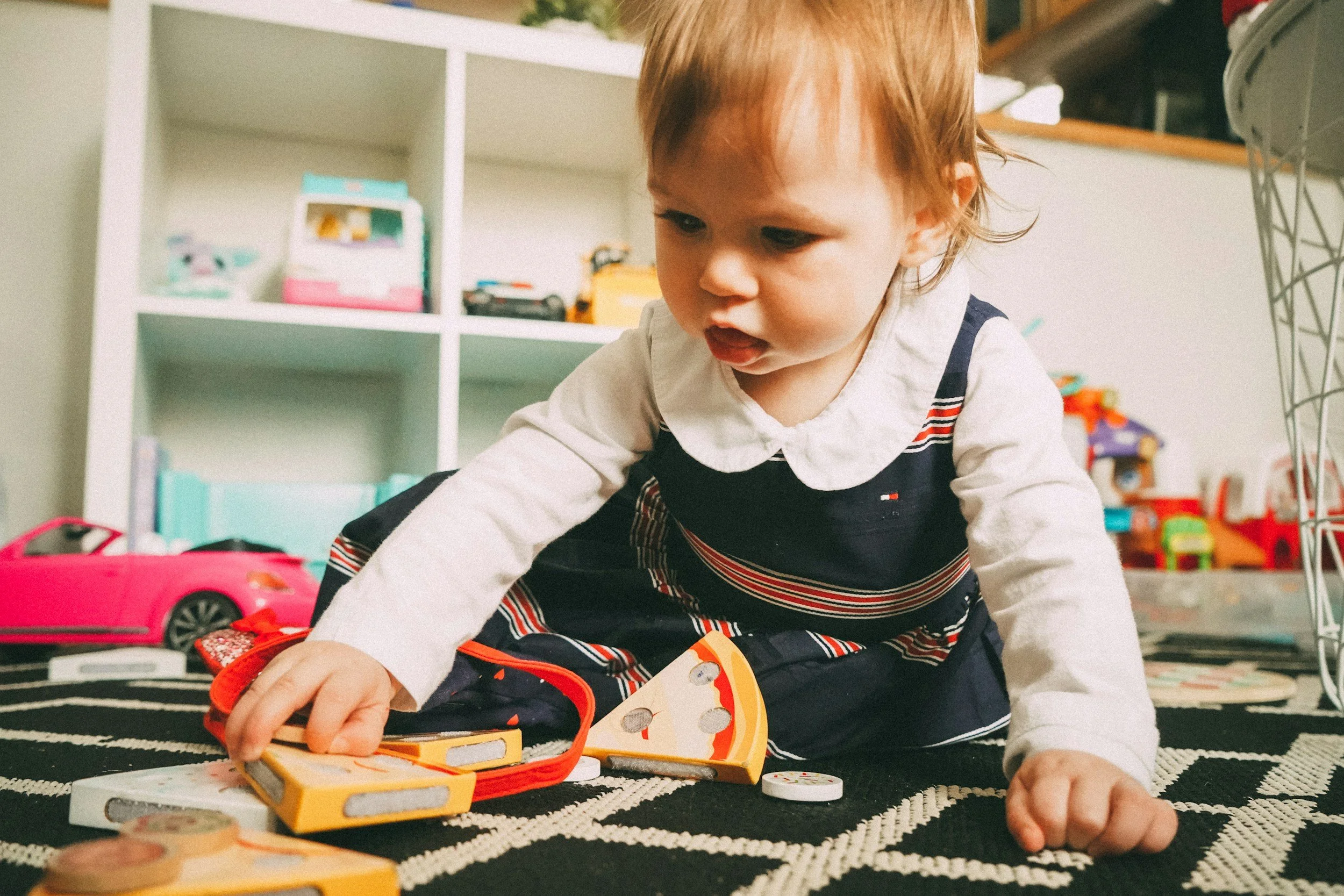
Why Toddler Sleep Often Changes After Starting Nursery
Toddlers experience nursery very differently from babies.
At this age, they’re dealing with:
Big stimulation and social demand
Fixed nap schedules they don’t control
Increased separation awareness
Emotional regulation fatigue
Frequent minor illnesses
Even happy, settled toddlers can come home completely wired and overtired.
This doesn’t mean nursery is the problem it means sleep needs supporting differently now.
1. Expect Nursery Naps to Be Shorter (and Work Around Them)
Most toddlers nap very differently at nursery than at home. Common patterns include:
Shorter naps
Earlier naps
Refused naps
Inconsistent nap lengths
Trying to “make up” for this with a late bedtime often backfires.
What helps instead: Accept the nursery nap for what it is and adjust bedtime accordingly. Many toddlers need an earlier bedtime on nursery days to prevent overtiredness.
2. Keep Bedtime Predictable, Even When the Day Wasn’t
After a long nursery day, toddlers crave predictability.
Even if naps were messy or emotions were high, bedtime should feel:
Familiar
Calm
Safe
Keep the same routine, same order, same cues, even if bedtime shifts earlier.
This consistency helps toddlers regulate when they’ve held it together all day.
3. Separate Illness Sleep From Habit Sleep
Nursery bugs absolutely disrupt toddler sleep but often the bigger issue comes after the illness passes.
During illness, toddlers may need:
More reassurance
More contact
More parental presence
Totally appropriate. I wrote about this in more detail in this blog.
But once they’re well again, sleep can remain unsettled because those supports have become part of how they fall asleep.
That doesn’t mean you’ve “caused” a problem it just means your toddler may need gentle support transitioning back.
The Final Wake Window Matters More Than You Think
For toddlers at nursery, the final stretch of the day is often the hardest.Signs the last wake window is too long:
Bedtime resistance
Hyperactivity before bed
Multiple night wakes
Early morning starts
A shorter final wake window and earlier bedtime often improves nights within days not weeks.
Later bedtimes rarely fix nursery sleep struggles.
5. Zoom Out Before Making Big Decisions
A few rough weeks of sleep does not mean:
Nursery is damaging your child
You need to quit nursery
You’ve undone years of good sleep
You’ve failed at routines
Toddler sleep after nursery improves best with small, calm adjustments, not overhauls. Support + understanding usually brings things back into balance.
Toddler Sleep After Nursery – Common Questions
-
Yes. Increased stimulation, overtiredness and emotional processing often show up at night, especially in 18–36 month olds.
-
Often, yes. Earlier bedtimes can protect night sleep when naps are short or disrupted.
-
Sometimes! But many toddlers continue to nap differently at nursery than at home. Sleep usually improves when nights are adjusted to match nursery days.
-
No. Comforting during illness or transition is appropriate. Gentle guidance can help reset things once your toddler is ready.
-
If sleep feels fragile, emotionally draining, or you’re second-guessing everything support can bring clarity quickly.